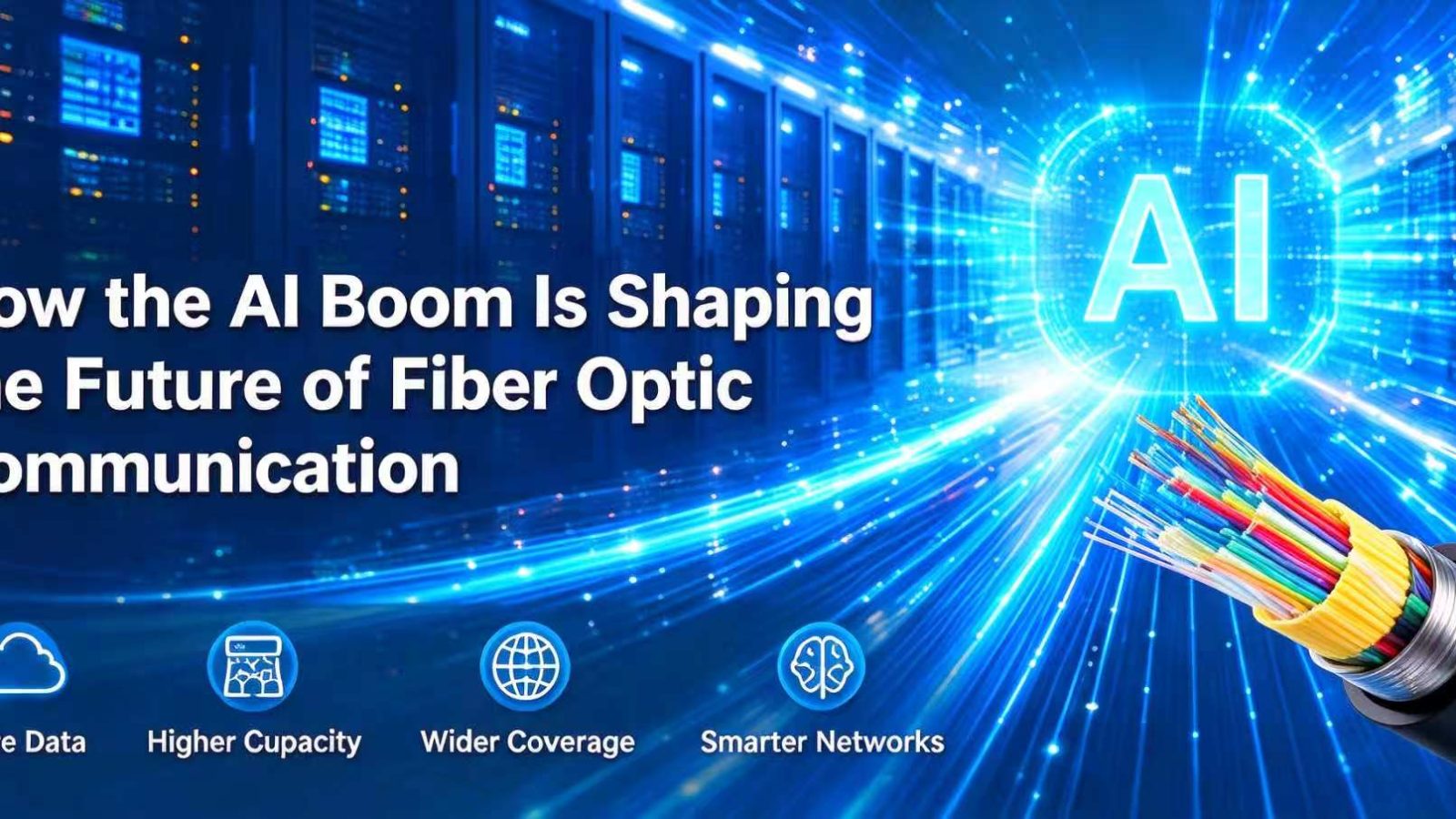
Artificial intelligence, cloud computing and digital services are pushing up demand for high-capacity communication networks. As these technologies develop, fiber optic communication continues to carry the traffic between computing facilities, telecom networks and end users.
Industry activity through 2026 suggests investment in broadband infrastructure and optical connectivity remains a priority as operators respond to growing data traffic.
How AI Is Influencing Fiber Optic Networks
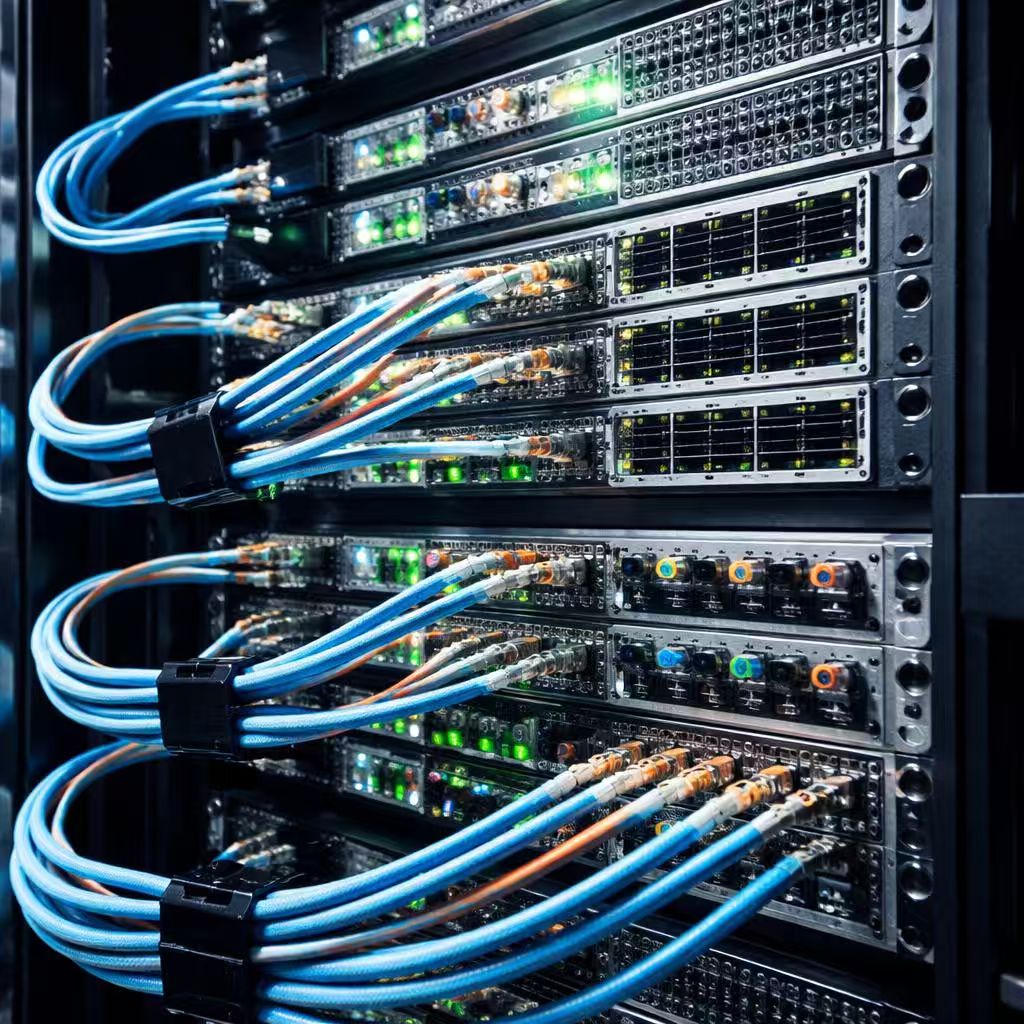
AI workloads move large volumes of data between computing systems, servers and connected facilities. That creates demand for reliable, high-capacity optical connections.
At the same time, cloud services, video streaming, mobile networks and enterprise applications continue to rely on extensive fiber infrastructure — the growth is additive, not a substitution.
The effect extends well beyond the data center. The networks connecting cities, telecom facilities, businesses and residential users need matching capacity and reliability, or the bottleneck simply moves.
What This Means for Cable Demand
- High-capacity networks — higher fiber counts as traffic grows.
- FTTH deployment — broadband expansion continues to drive access network cable demand.
- Outdoor infrastructure — aerial, duct and underground routes remain the backbone of expansion.
- Power communication — utility networks need reliable communication for monitoring and control.
- Customized solutions — projects need different fiber counts, structures and mechanical specifications.
The pace of growth varies by region and by application. Purchasing decisions should follow actual project requirements, not industry headlines.
Which Cable Products Are Relevant
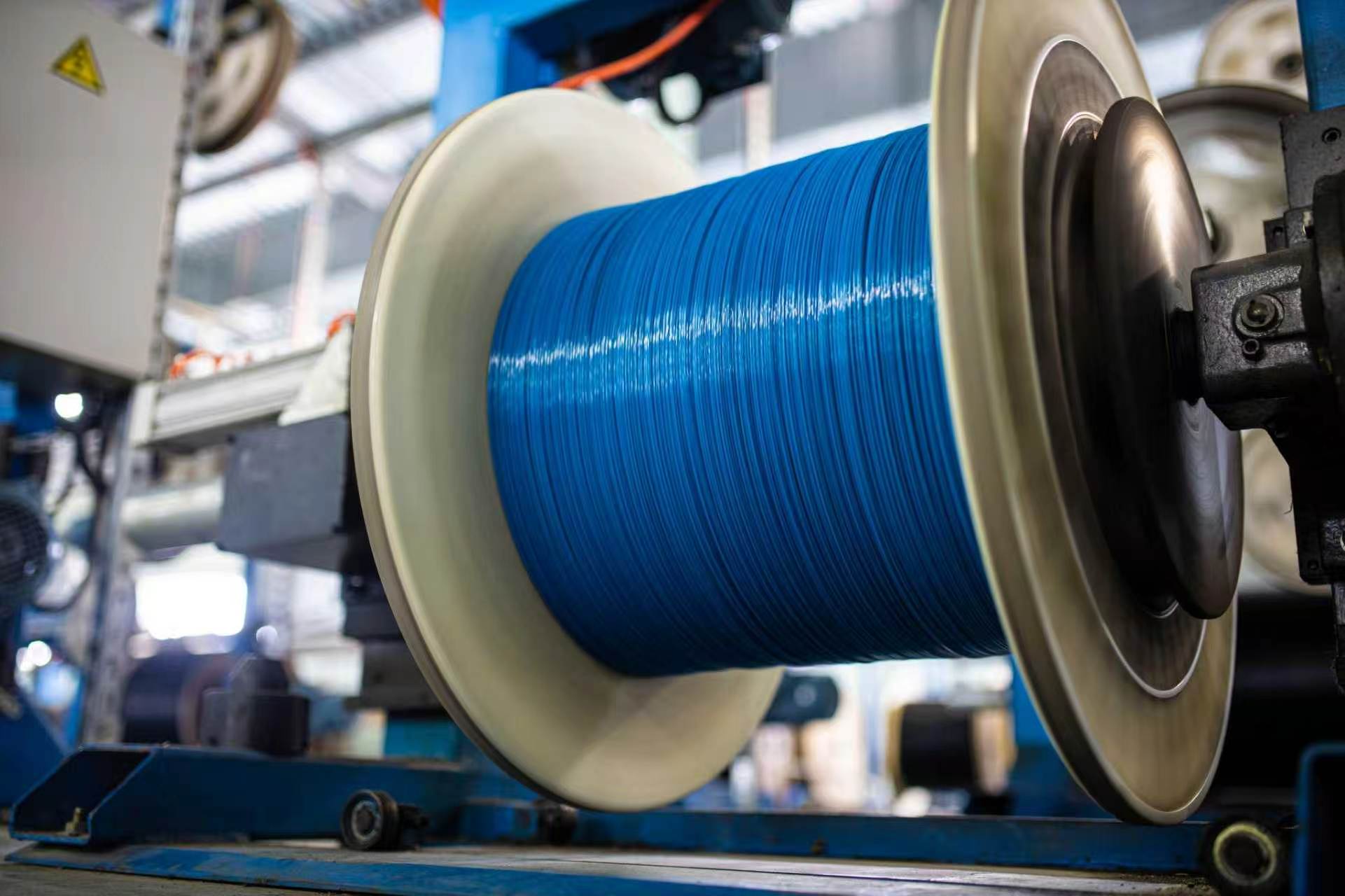
Different parts of the network call for different designs. FTTH drop cables carry last-mile broadband connections. ADSS serves aerial telecom installations, while OPGW covers both communication and grounding on power transmission lines.
GYTA, GYXTW, ASU and other outdoor cables serve distribution and infrastructure routes according to their specifications. For buyers, understanding the intended application matters more than the headline capacity figure.
Looking Ahead
AI is one of several forces shaping optical communication, alongside broadband expansion, cloud computing, mobile connectivity and infrastructure modernization.
As digital networks evolve, reliable fiber optic cable remains a core part of the infrastructure connecting people, businesses and technology.
Ebocom provides customized fiber optic cable solutions for telecom, FTTH, power utility and other infrastructure projects. Contact our team to discuss your application and sourcing requirements.