
01
Fiber store
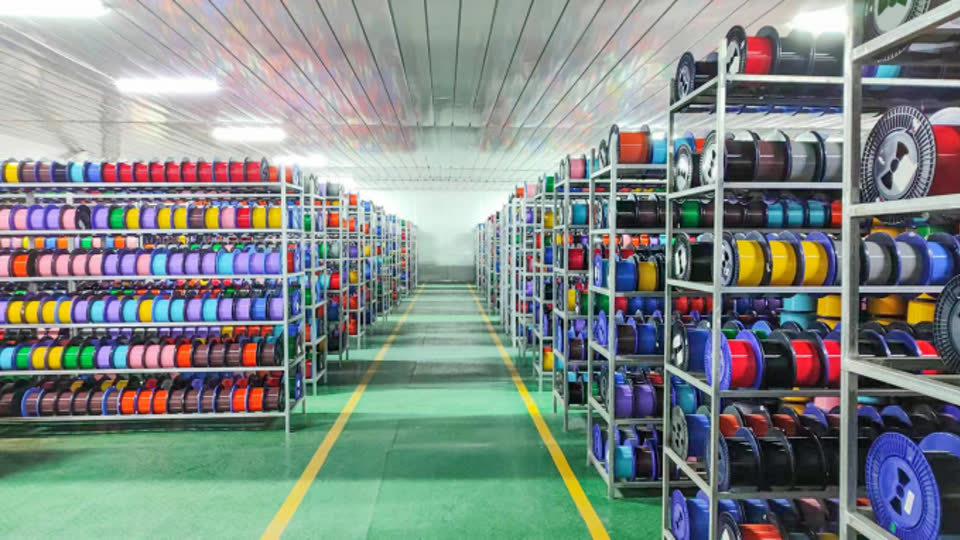
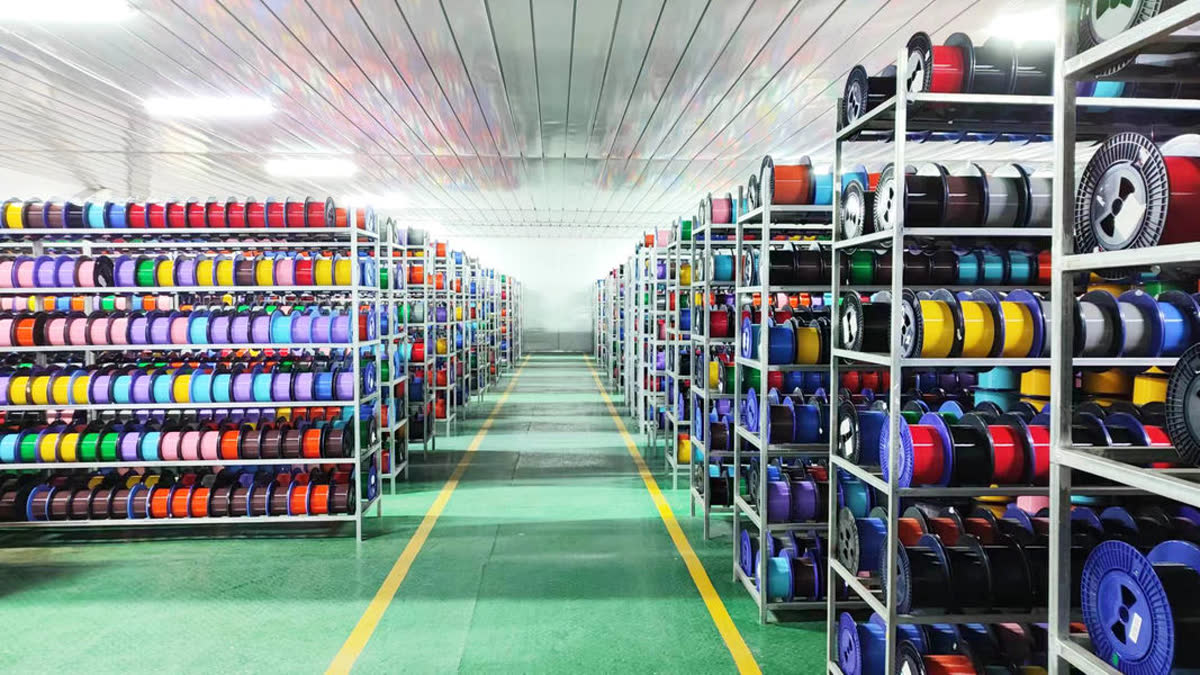
The optical fiber we use comes from the top three fiber makers in China — YOFC, ZTT and Fiberhome. Low attenuation, easy to splice, and every batch is traceable to its reel.
Home/Factory
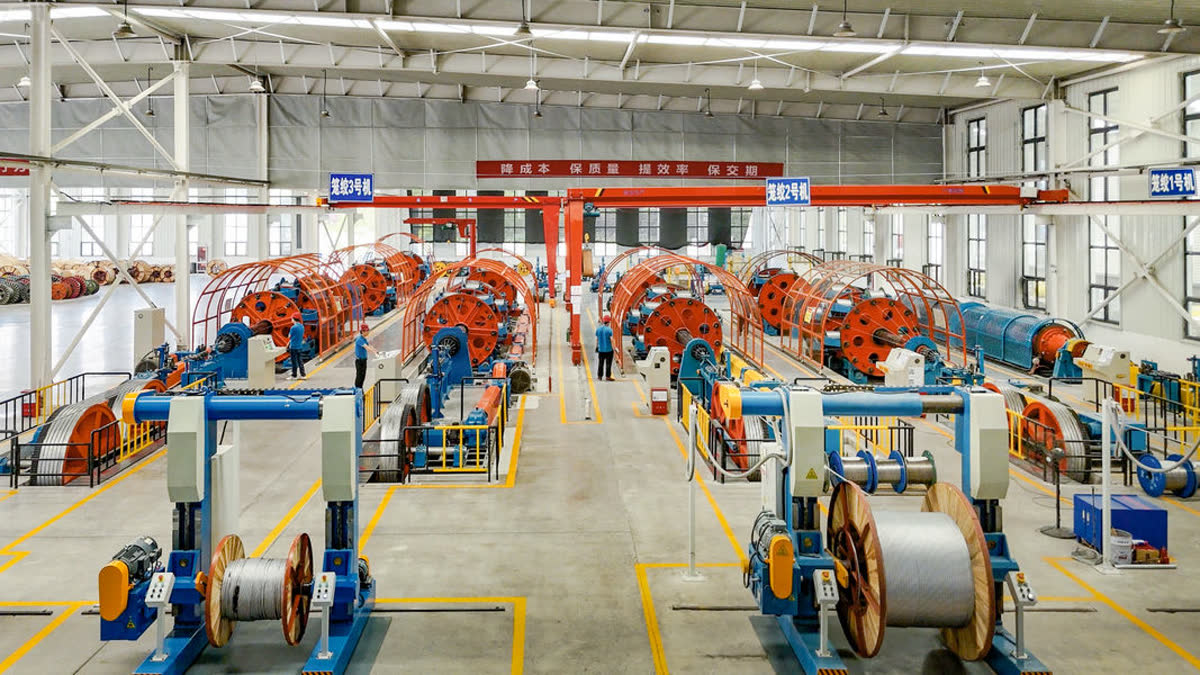
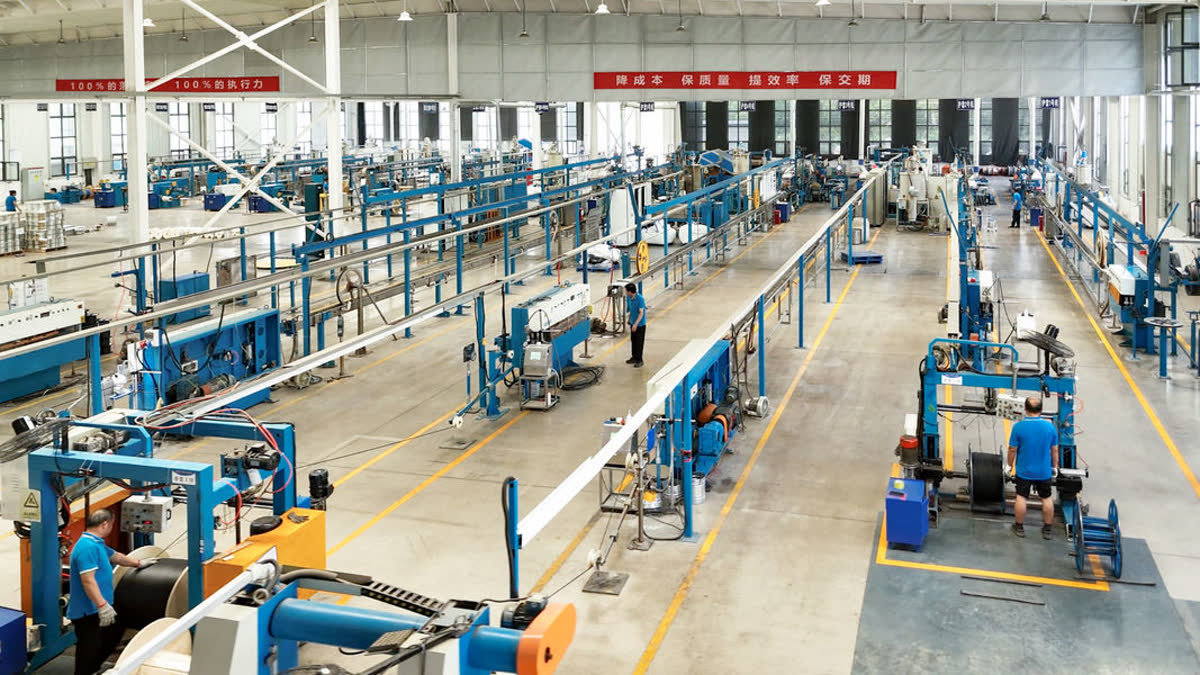
53 production lines in Shanghe, Jinan. Fiber goes in at one end of the hall and a tested, printed, drum-wound cable comes out at the other — nothing is subcontracted.
Factory gallery
Click any photo to open it full size.
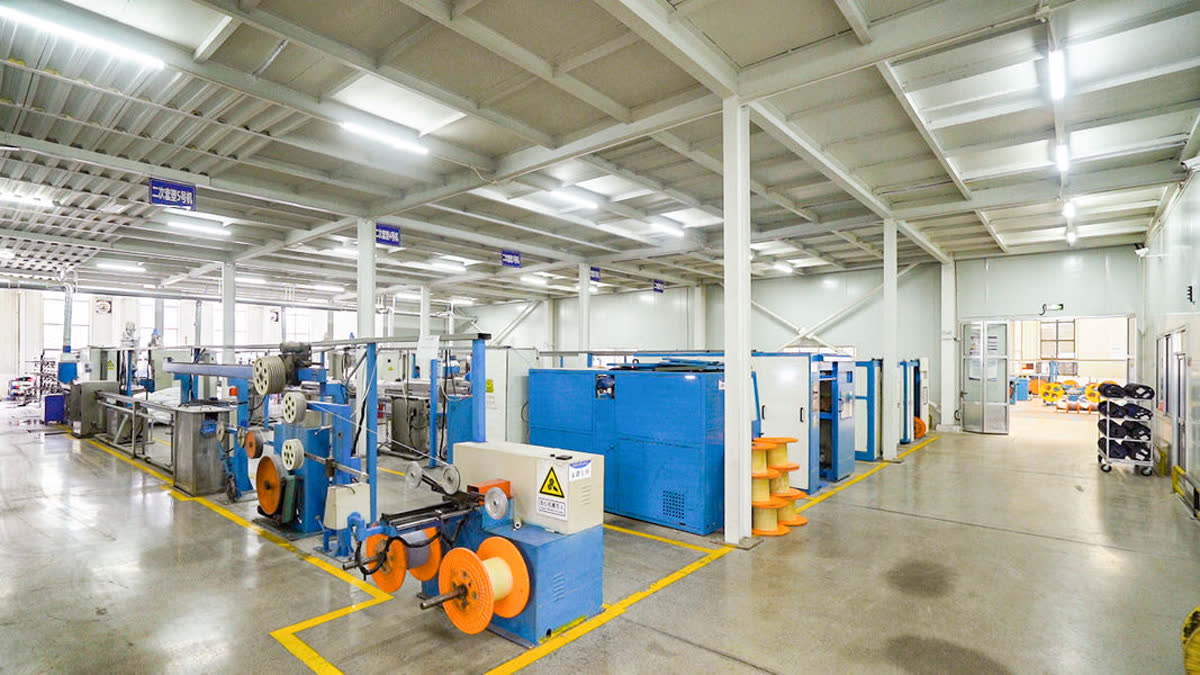
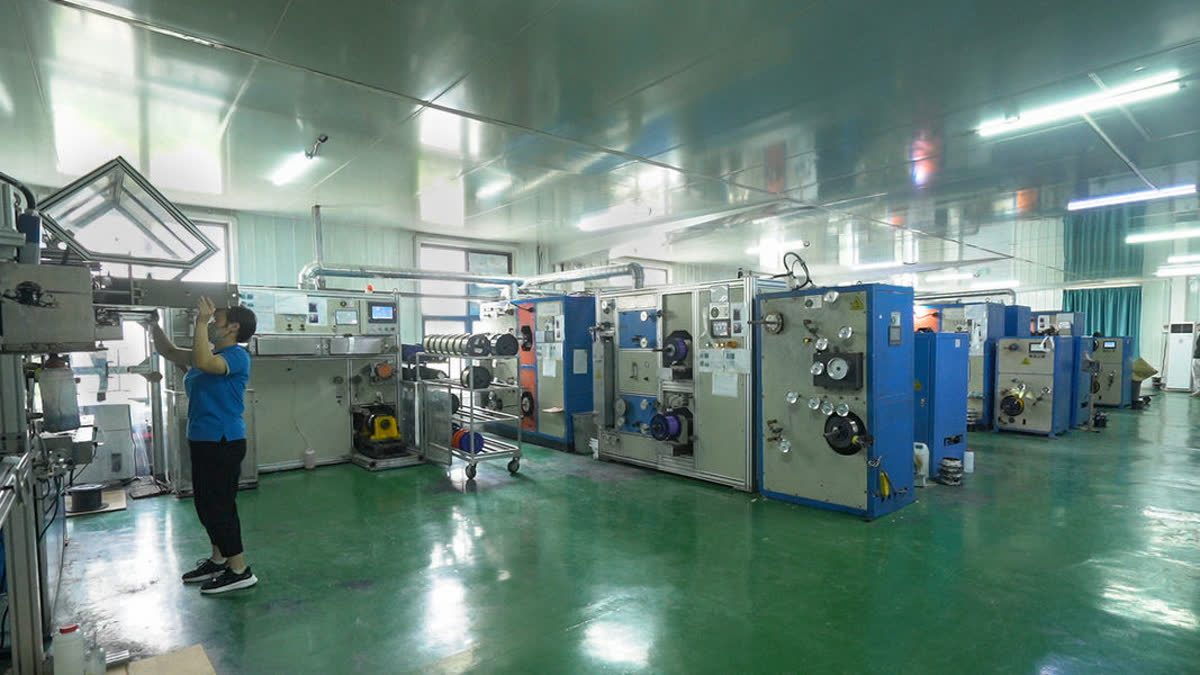
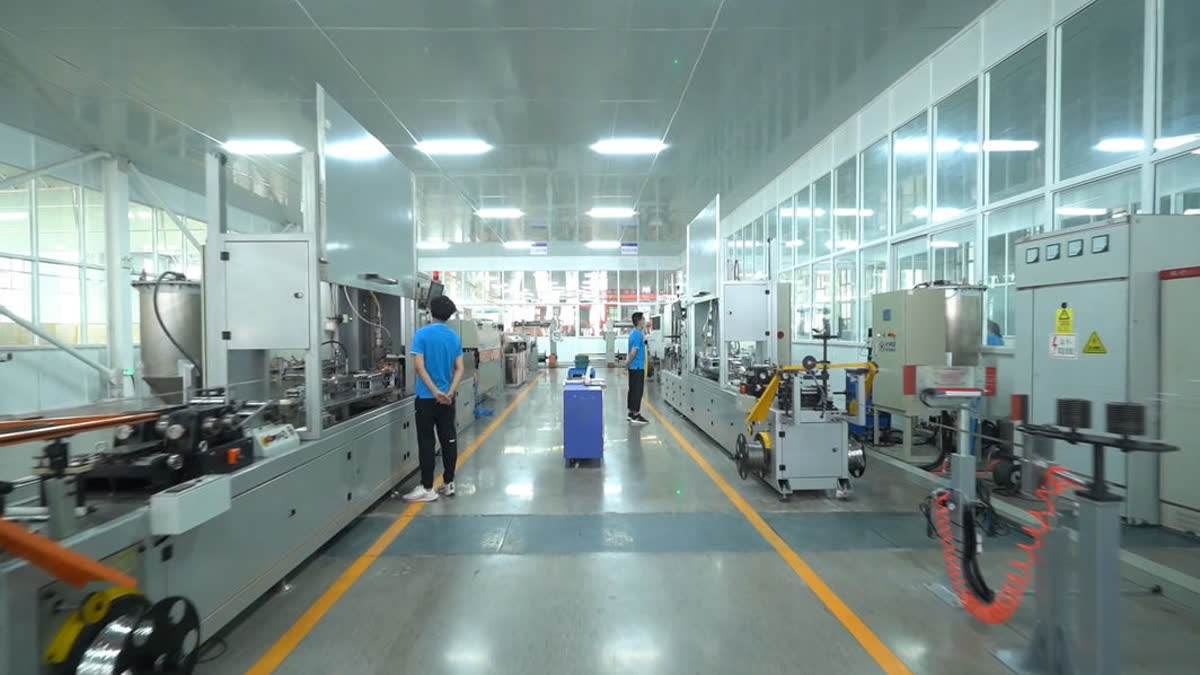
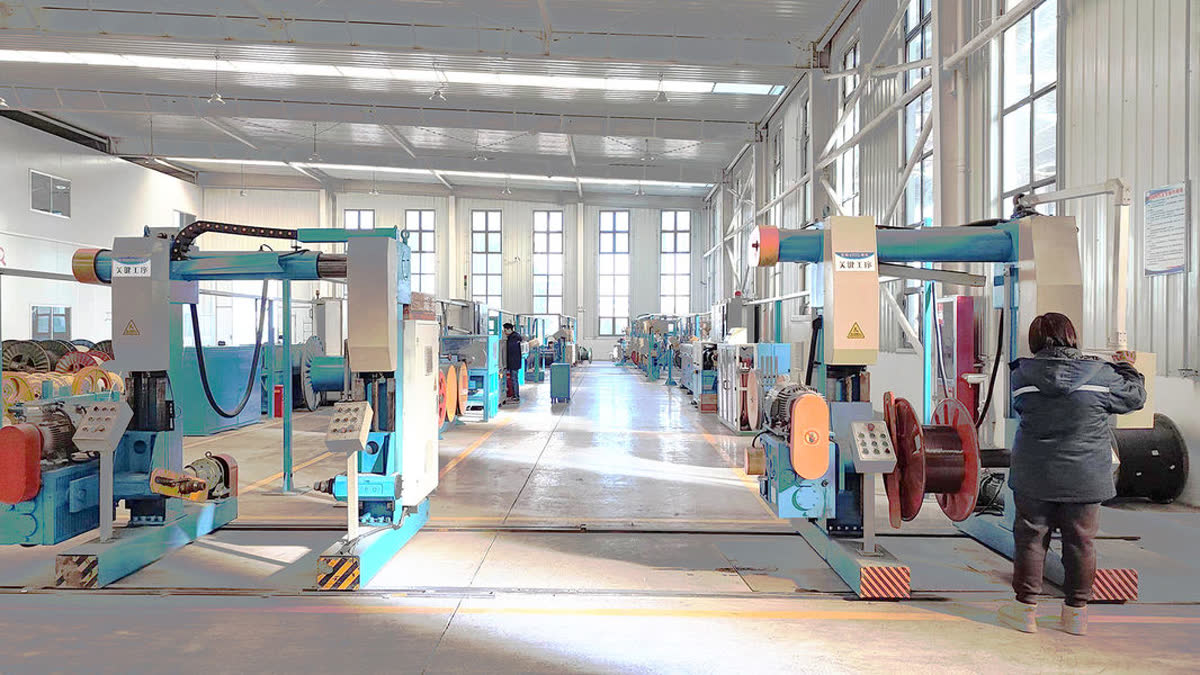
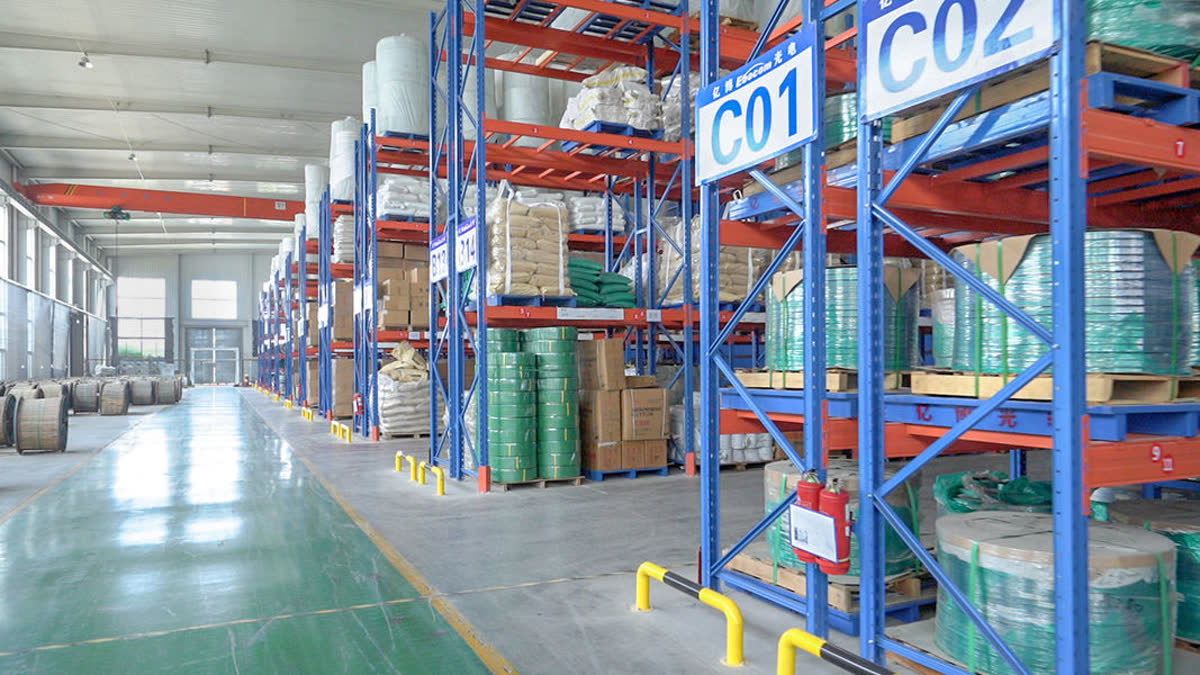
Production line
Eight steps, in the order the cable actually travels through the plant.
The optical fiber we use comes from the top three fiber makers in China — YOFC, ZTT and Fiberhome. Low attenuation, easy to splice, and every batch is traceable to its reel.
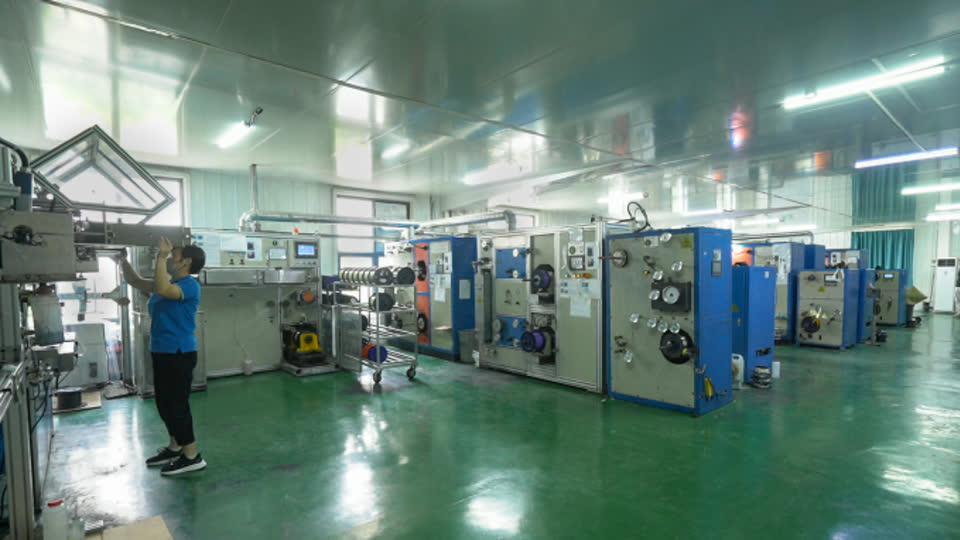
Each fiber is UV-colored and ring-marked so the fiber count can be read off the tube on site. Colors follow the customer's standard — EIA/TIA, IEC or your own drawing.
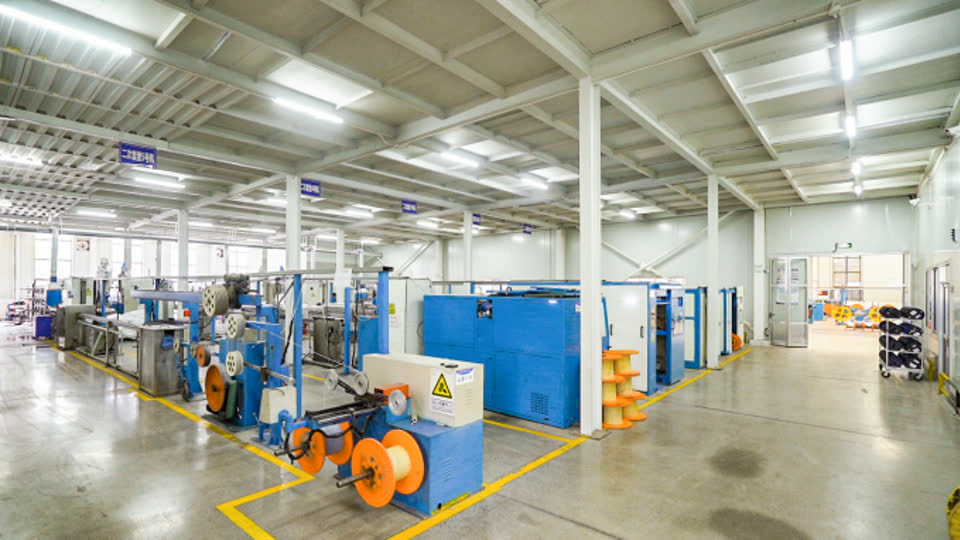
PBT tubes are extruded over the colored fibers and filled with water-blocking gel. Excess fiber length is set on line, which is what keeps attenuation stable when the cable is pulled.
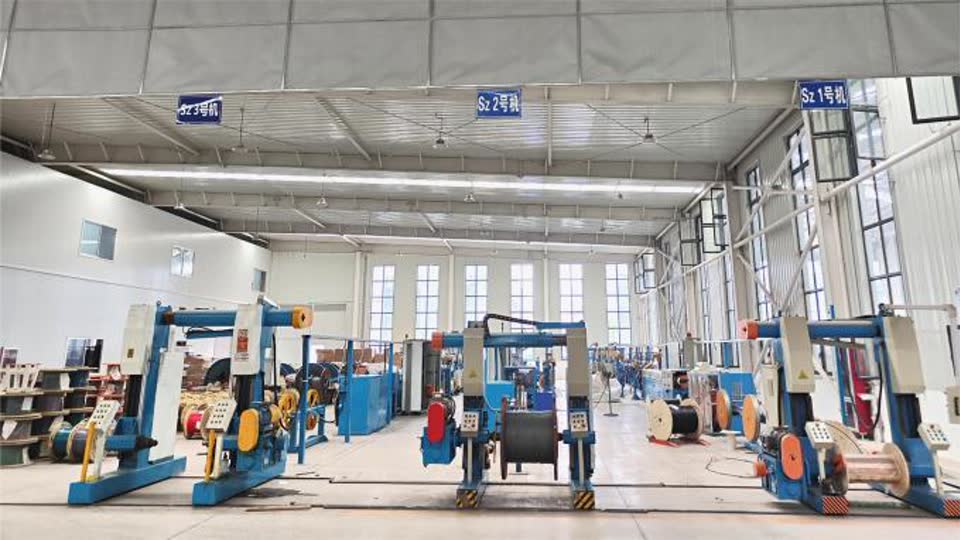
Tubes are stranded S/Z around a steel or FRP central member, with water-blocking yarn and tape. This is the step that decides how the finished cable behaves in a duct.
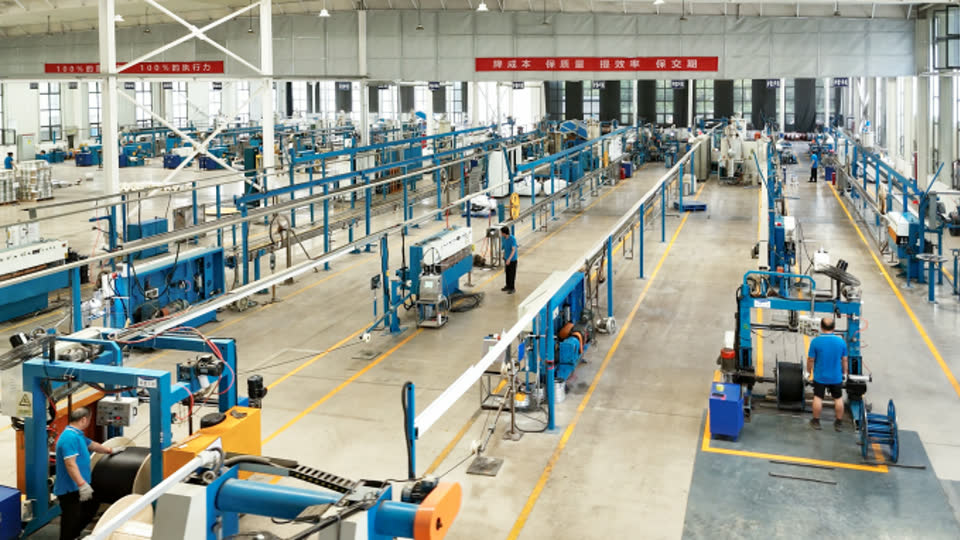
Armoring and the outer sheath go on together — PE, LSZH or flame-retardant compound, with the length and your brand printed every meter.
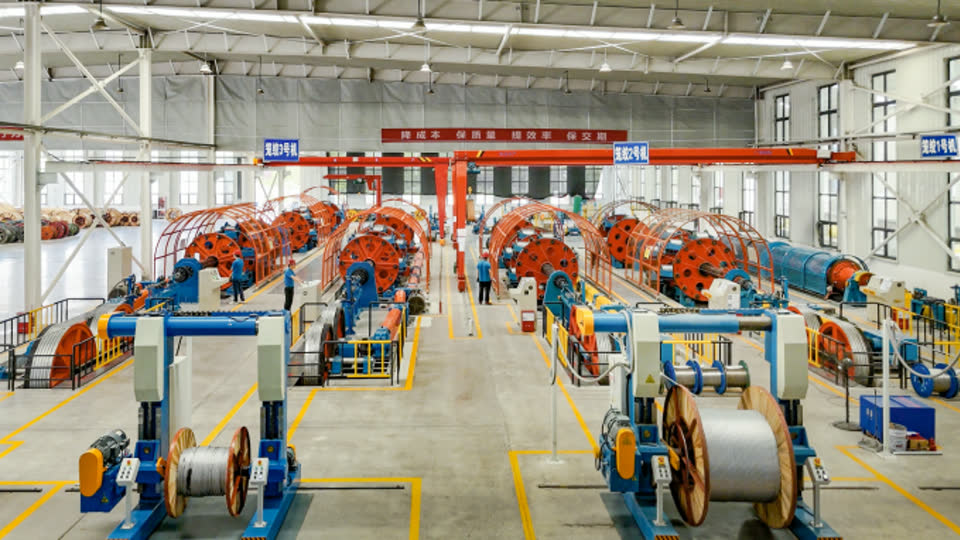
Aluminum-clad steel and aluminum alloy wires are stranded over the fiber unit to the RTS and short-circuit rating the transmission line calls for.
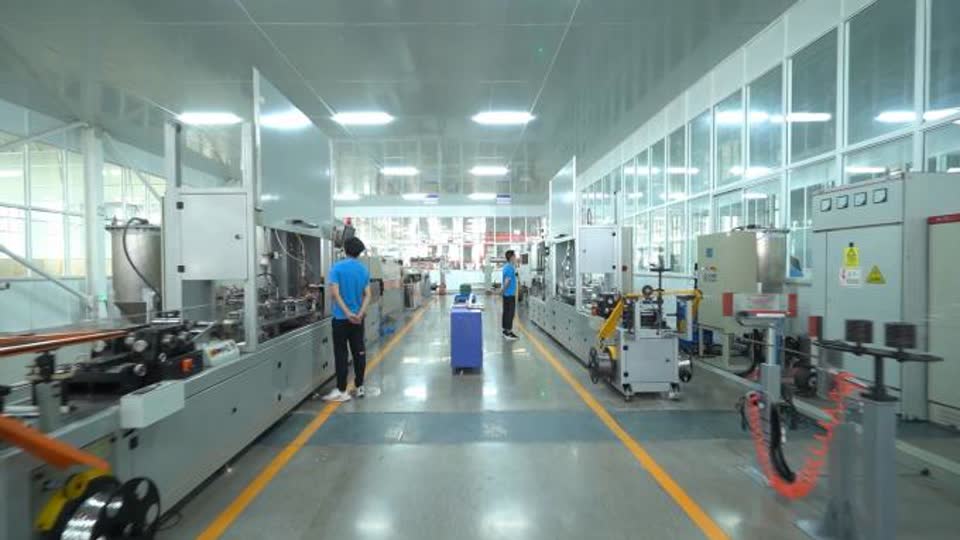
Two laser-welded stainless steel tube lines make the fiber unit in house — the part of an OPGW that most suppliers have to buy in.
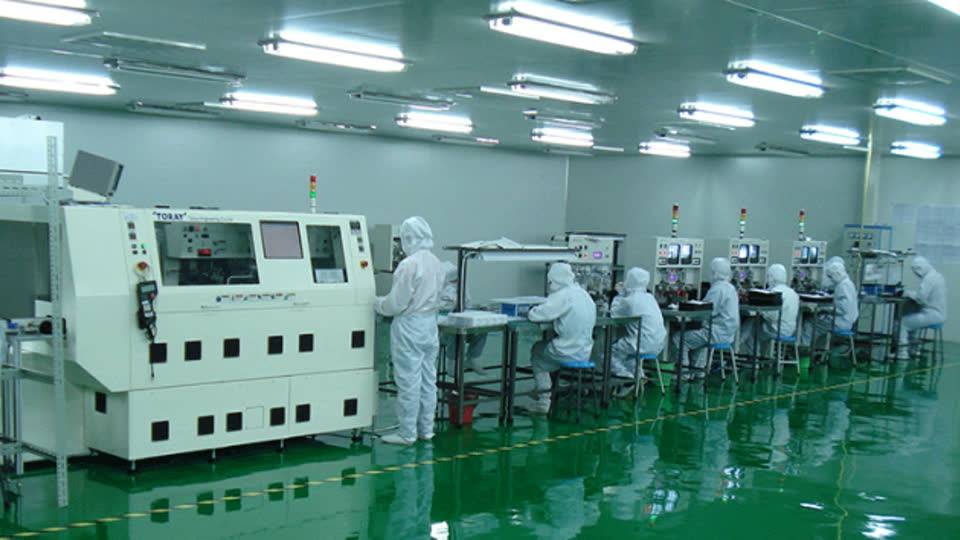
Attenuation, tensile, crush, temperature cycling and water penetration. Every drum is tested and leaves with its own report.
OEM / ODM
Most of what leaves this plant is not a catalog item. Send the specification, the standard you work to, or a sample of what you buy today, and we will build to it — fiber type, core count, strength member, sheath compound, print marking, drum length and packaging.
R&D & quality
More than 230 people work here and close to a third of them are technical and R&D staff. That team holds 10 invention patents and 33 utility model patents, and it is the same team that signs off the test report that travels with your drum.
Attenuation at 1310 and 1550 nm, tensile, crush, impact, repeated bending, temperature cycling and water penetration — run in our own laboratory, drum by drum, not on a sample from last month.
See the certificates